
 On screen
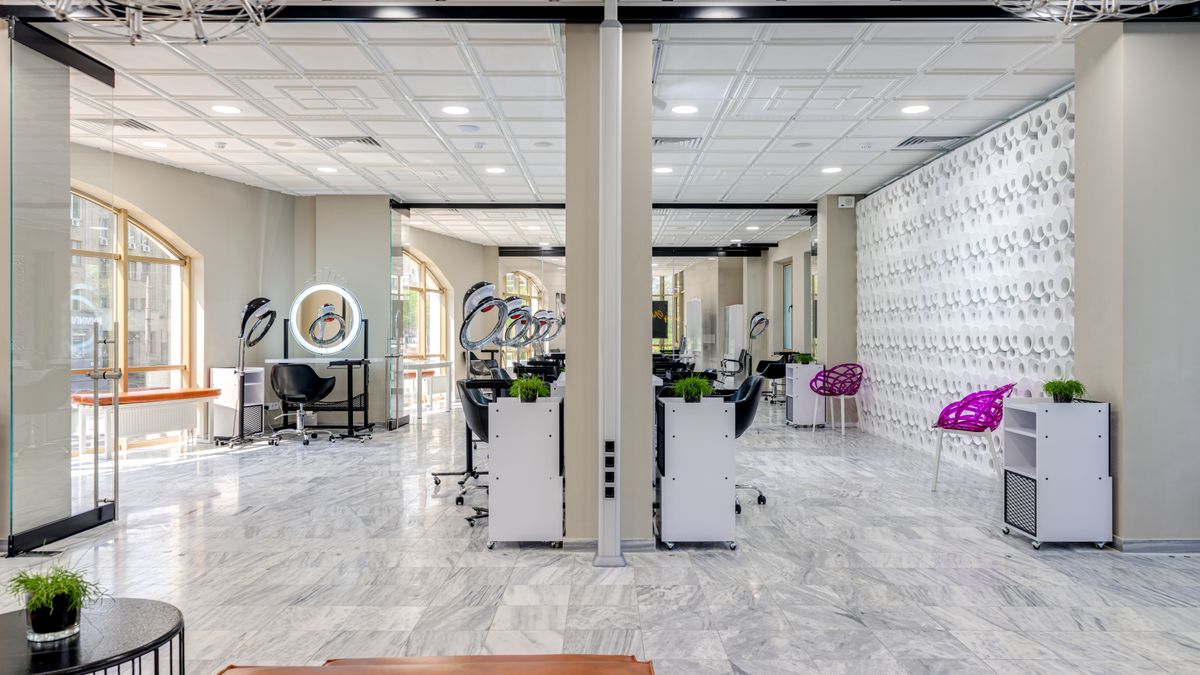
Most agents already know farming works through repetition: the same name, in front of the same homeowners, for long enough that you are the person they think of when they decide to move. Mailers and door hangers do this at home. In-venue video does it in the places those homeowners already spend time, like a salon chair, a restaurant booth or a service-center waiting area.
This page covers whether that fits your farm, how to pick the area, what to put on screen, and how to track what comes back. It is a planning guide, not a promise of results.
Why does in-venue video suit a neighborhood farm?
CETV Now is a self-install, plug-in digital out-of-home (DOOH) network. A small media player connects to a screen a venue already owns and runs licensed programming with video ads over live TV. Advertisers reach people while they wait, watch and decide, in venues customers already visit.
Three features line up with farming:
- Geographic control. Targeting works by neighborhood, city, metro, zip code, sector and individual venue, and can be layered with audience type and time of day.
- Repetition in context. People often return to the same salon, coffee spot or gym. Seeing you on those screens across visits is the kind of repeated exposure a farm depends on.
- Full-screen video. Full-screen video runs as an unskippable takeover of the venue's live TV, so a face and a name get real screen time rather than a glance at a card.
CETV Now reports average dwell time of 15+ minutes across its network. That is network data, not third-party audited, and dwell time measures how long people are in a venue, not how closely they watch. Treat it as the opportunity to be seen, not proof of attention.
How do you choose the farm?
Start with the farm you would pick for mail: an area where you want more name recognition, with housing and owner profiles you understand. Then ask a different question: where do people from that area spend idle time?
- 01
Define the farm by zip code or neighborhood
Write down the zip codes or named neighborhoods. Keep it small enough that you can be seen repeatedly rather than thinly across a whole metro.
- 02
List the venues those residents visit
Think salons, restaurants, fitness studios, dental and medical offices, auto service lounges and retail. CETV Now runs in high-dwell commercial categories like these. The guide on choosing venue categories for in-venue ads and the one on matching your audience to venue moments walk through this step.
- 03
Confirm what is available in your area
CETV Now is live in Phoenix, Dallas, Atlanta, Nashville and Salt Lake City, with Miami coming soon. Whether a specific neighborhood has participating venues is something to confirm with the team. If your market is anywhere else, availability is unconfirmed, so send an inquiry.
- 04
Decide where you want to be seen
A farm in a suburb may be better served by a few venues inside it than by one large metro buy. Venue-level targeting exists for that reason.
If you work in one of the live markets, the Phoenix, Dallas, Atlanta, Nashville and Salt Lake City pages explain how planning differs by area.
What should a name-and-face message look like?
Agent brand awareness is a recognition problem. Someone seeing your ad for the third or tenth time should be able to say your name afterward. That means the creative should be boring in the right ways: the same photo, the same name, the same one-line promise every time.
A simple structure for a 30-second video
- 1Your face and name on screen in the first moments, large enough to read from across a room.
- 2One local line that names the farm, such as the neighborhood or community you work in.
- 3One simple offer or reason to reach out, such as a home-value conversation or a neighborhood question you will answer.
- 4A phone number or code, held on screen long enough to notice.
Creative can be a 30-second video, static designs or animated motion graphics shown as overlays on live TV. If you are not sure which fits, see static vs motion graphics vs video. Full formats are on the ad formats page.
For design basics such as text size and pacing, read how to design video ads for venue screens and the common creative mistakes.
How do you do local market-update creative without invented statistics?
Market-update content is a common realtor video advertising idea, but a venue screen is a poor place for a table of numbers. Viewers are glancing up between conversations, and a figure that is stale, unsourced or unclear can create problems for you and your brokerage.
Instead, use the update as a hook and move the detail off-screen:
- Question hook: "Curious what homes on your street are worth right now?" followed by your name and a phone number.
- Offer hook: "Ask me for the latest neighborhood report" with a code or number that delivers it.
- Local-knowledge hook: a line about the neighborhood itself, such as a school-year start, a community event or a seasonal home-care reminder, ending in your name.
- Invitation hook: an open house or neighborhood meet-up, if you are hosting one. The page on promoting events with in-venue video covers that style.
If you do decide to show a number, it should be current, dated, sourced from a place your brokerage accepts, and approved by whoever reviews your advertising. Nothing on this page supplies market figures for you to use. The local offer design guide shows how to turn a hook into a clear call to action.
What compliance rules should real estate advertisers check?
Real estate advertising is regulated, and the rules vary by state, brokerage and licensing body. Check your own brokerage policies, licensing rules and fair housing advertising requirements before you produce anything. That includes how you describe neighborhoods and residents, what disclosures or brokerage identification your ads need, and who must approve them.
This page is not legal advice. Creative is also submitted to CETV Now for review before it runs, and placements are in curated venue categories to keep brands in appropriate contexts. Getting your own approvals first keeps that review simple. The creative review preparation guide explains what to have ready.
How do you track inquiries from screen ads?
You will not get a click, so build the tracking into the creative. Delivery is reported against CETV Now network data, with venue-level impression reporting, real-time statistics and 24/7 campaign monitoring, but impressions are not inquiries. Your own tracking closes that gap.
- Dedicated phone line. A number used only for screen ads. Every call to it came from that campaign or a referral from someone who saw it.
- Code or keyword. "Mention the code NEIGHBOR" or text a keyword. Keep it short and easy to read from a distance.
- QR code with a dedicated landing page. Useful for some viewers, less so for others. See when QR codes help and when they do not.
- Ask every new contact. Add "How did you hear about me?" to your intake and log it in your CRM.
Recognition often shows up late. A homeowner may see you for months and call only when they are ready to list, and some will contact you without using the number. Read your numbers as directional. How to measure out-of-home advertising without clicks goes deeper.
How do you plan a first flight?
Ad insertion on CETV Now has no minimums and no long-term commitment, so you set your spend and schedule and scale at your own pace. Pricing is quote-based and depends on market, venue category and schedule; there is no published rate card.
- 01
Pick one farm and two or three venue categories
Keep the test small enough to read. The small DOOH test campaign guide shows how.
- 02
Finish your creative and approvals
One name-and-face video, brokerage and fair housing review done, tracking line or code ready.
- 03
Share your plan
Tell CETV Now your markets, venue categories, creative and budget. The team maps the plan to real-world audiences, provides a quote and gets the campaign live. The advertisers page has the details, and the planning checklist helps you prepare.
- 04
Review and repeat
Look at delivery reports and your own inquiry log, then decide whether to extend, expand to neighboring zip codes or adjust. No outcome is guaranteed, and results vary by campaign.
If you already use mail or social video for your farm, in-venue video can add a repeated, in-person touchpoint. The comparison of DOOH and social video ads explains how to give each channel a job.
Figures reflect CETV Now network data and are provided for informational purposes. Individual campaign results vary; no specific outcome is guaranteed.