
 On screen
A screen ad does not arrive in a vacuum. It shows up in a room that already has a mood, in front of people who are already thinking about something else. The words that work in a gym lobby can feel pushy in a dental waiting room and stiff in a bar.
This post looks at how to choose ad tone for different venues, using one message rewritten three ways. It is general creative guidance, not a rulebook, and it applies to any advertiser deciding where to spend.
What shapes tone in a venue?
Three things do most of the work. You can read all three before you write a word.
- Mood of the room. Is it busy, quiet, social, clinical, upbeat? A screen in a loud dining room competes with conversation. A screen in a quiet waiting area is one of the few things to look at.
- Mindset of the viewer. Someone between sets is thinking about the next exercise. Someone waiting to be called back is thinking about the appointment. Someone at a bar is deciding what to order or what to talk about next.
- Company. People who are alone tend to read more closely. People with friends or family are watching the screen in passing. A joke that works with a group can feel odd for a person sitting alone.
CETV Now runs in high-dwell commercial venue categories: auto dealerships, restaurants and bars, medical and dental offices, fitness and wellness facilities, retail, and professional services such as offices and salons. Each category brings its own version of these three factors. CETV Now reports average dwell time of 15+ minutes across its network, but dwell is how long people are in a venue, not a measure of attention. Time in the room gives you a chance to be seen. Tone decides whether the viewer is glad you took it.
One offer, three rewrites
Take a hypothetical local house-cleaning service. The offer is the same everywhere: a free fridge clean-out with a first cleaning. Only the framing changes. These are illustrations of tone, not finished scripts.
Fitness and wellness facilities
The mood is energetic and goal-focused. Viewers are moving, and attention comes in short bursts. Short lines and active verbs fit.
Medical and dental offices
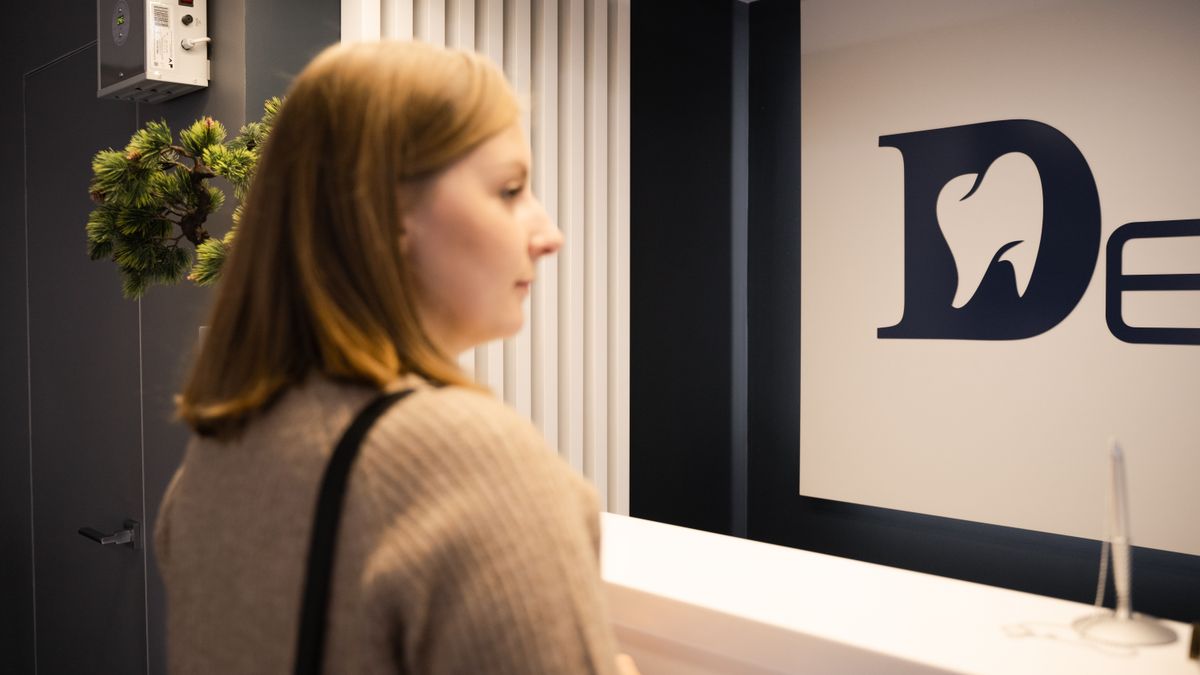
The mood is quieter and sometimes tense. Viewers may be anxious, and they are often waiting for their name to be called. Calm, plain language and a low-pressure ask fit better than urgency or a countdown.
Avoid anything that plays on health worries, and keep the topic unrelated to the visit. If you are a healthcare advertiser yourself, check your own compliance rules before you write.
Restaurants and bars
The mood is social and relaxed. People are talking, so the screen is background, and a light, slightly playful voice fits. Keep the ask easy to remember rather than detailed.
The deal is identical in all three. What changes is the pace, the vocabulary, how much pressure the ask carries, and how much the viewer must read or remember.
Why a mismatch reads as intrusive
People rarely reject a mismatched ad because the offer is bad. They react to the signal that the advertiser did not notice where they were. A shouting sale announcement in a quiet waiting area feels like someone raising their voice in a library.
Format makes this sharper. Full-screen video runs as an unskippable takeover of the venue's live TV, so the viewer cannot dismiss it. That makes tone more important, not less. If the viewer cannot look away, the ad should be worth looking at in that room. Animated overlays and static designs are lighter touches, and you can see the options on the ad formats page.
A few signs your tone is off for a room:
- It asks for a decision the viewer cannot act on from where they are sitting.
- It relies on energy or humor the setting does not support.
- It uses urgency in a place where people are already stressed.
- It is dense with text and expects close reading in a room where people look up only briefly.
Many of these overlap with the problems in digital signage ad design mistakes that waste screen time. For how people actually spend their time in these rooms, see what people do while they wait.
How formal should a screen ad be?
Formality is a dial, not a switch. A useful starting point is to match the register of the venue's own signage and staff. If the front desk speaks in short, friendly sentences, so should the ad. If staff are measured and precise, keep the ad plain and unhurried.
| Venue category | Mood | Tone to try | Watch out for |
|---|---|---|---|
| Fitness and wellness | Energetic, goal-focused | Short, active, encouraging | Guilt or body-shaming angles |
| Medical and dental offices | Quiet, sometimes anxious | Calm, plain, low-pressure | Urgency, fear, anything that plays on the visit |
| Restaurants and bars | Social, relaxed | Light, conversational, memorable | Long copy, complicated offers |
| Auto dealerships | Considered, often deliberate | Clear, informative, respectful of big decisions | Hard-sell pressure |
| Professional services and salons | Personal, appointment-driven | Warm, polished, specific | Jargon, generic claims |
Whatever the dial setting, write short sentences and keep one idea per ad. If your ad has to work without sound, the guide to making video ads work with sound off covers on-screen text and pacing. The 30-second script guide helps with structure.
Tools for controlling tone across venues
You do not have to write one message and hope. A few levers on the buying side help.
- Venue category. CETV Now targeting works by neighborhood, city, metro, zip code, sector or vertical, and individual venue. Choosing categories is partly a tone decision. The guide to choosing venue categories walks through it.
- Daypart. Targeting can be layered with audience type and time of day. A bar at lunch and the same bar on a Friday night are different rooms, so consider whether one script serves both.
- Creative review. Creative is submitted for review before it runs, and placements run in curated venue categories to keep brands in appropriate contexts. The brand safety and creative review FAQ explains more.
- Small, flexible tests. Ad insertion has no minimums and no long-term commitment, so you set your spend and schedule. That makes it practical to run two tones in two categories and compare delivery. The guide to testing creative across venue categories shows how.
A short checklist before you submit creative
- 01
Name the room
Write down the venue category and the mood in one sentence, such as "quiet waiting area, people alone."
- 02
Name the mindset
Decide what the viewer is probably thinking about, and what ask is realistic from that seat.
- 03
Rewrite, do not reuse
Keep the offer, then adjust the opening line, pace and call to action for each category.
- 04
Read it out loud in the room's voice
If it sounds odd said quietly to a stranger in that room, soften it.
- 05
Plan the comparison
If you run more than one version, change one thing at a time so you can tell what made the difference.
When you are ready to plan, CETV Now asks for your markets, venue categories, creative and budget, maps the plan to real-world audiences, provides a quote and gets the campaign live. Pricing is quote-based. No outcome is guaranteed, and results vary by campaign. The advertisers page has more on how planning works, and the guide to matching your audience to venue moments is a good next read.
Figures reflect CETV Now network data and are provided for informational purposes. Individual campaign results vary; no specific outcome is guaranteed.