
 On screen
Elective aesthetics is a considered purchase. Someone may think about a treatment for months, compare a few local options, and still hesitate to book because the decision feels personal. That shapes sensible med spa advertising ideas: you are not trying to close a sale on a screen. You are trying to become a familiar, trustworthy name nearby and make the first step feel easy.
This page is a planning playbook for in-venue video through digital out-of-home (DOOH) advertising, meaning video ads shown on screens in real-world places. It covers who to reach, where, what to say, what to offer and what to check before anything runs.
Why consultation-first marketing fits in-venue video
A consultation is a conversation, not a commitment. That makes it a sensible call to action for a business where trust matters more than urgency. A short video can introduce your space, your team and the idea that a first visit is just a talk.
In-venue video suits that job because it reaches people while they wait, watch and decide, in places they already visit. CETV Now describes its positioning as precision video advertising for the real world. Full-screen video on the network runs as an unskippable takeover of the venue's live TV, so your message gets its own moment instead of competing in a feed.
Who do you want to reach?
Start with a plain description of your likely client, then work backward to where that person spends time. Be honest about the segments you actually serve. Common starting points include:
- Adults who already invest in appearance or wellness routines and live or work within a short drive of your spa.
- People preparing for a life event, such as a wedding, a reunion or a milestone birthday.
- Existing clients who might bring a friend or add a service.
- Professionals with limited time who want a consultation near work or home.
Targeting on CETV Now can be set by neighborhood, city, metro, zip code, sector or vertical, and individual venue, and it can be layered with audience type and time of day. For a single-location med spa, a tight set of zip codes around your door often makes more sense than a whole metro.
Which venue categories fit a med spa?
In daily life, adults are commonly reached in salons, gyms, boutique retail, restaurants and professional offices near a spa. That is a general observation, not a statement about specific venues. CETV Now runs in these approved venue categories: auto dealerships, restaurants and bars, medical and dental offices, fitness and wellness facilities, retail, and professional services such as offices and salons.
| Venue category | Why it may fit | What to watch |
|---|---|---|
| Fitness and wellness facilities | Audiences already think about their bodies and self-care. | Keep the tone about care and comfort, not fixing flaws. |
| Professional services, including salons and offices | Appearance-minded adults in a relaxed setting, or busy professionals near work. | Make sure your message complements the room rather than competing with it. |
| Retail | People browsing and spending time near your area. | Short, visual creative works better than detail. |
| Restaurants and bars | Social settings where weekend and event plans come up. | A softer tone fits; avoid anything that feels intrusive at a table. |
| Medical and dental offices | Audiences in a health-oriented setting. | Credentials and compliance language matter most here. |
CETV Now reports average dwell time of 15+ minutes across its network. That is network data, not third-party audited, and dwell time measures how long people spend in a venue, not how closely they watch. Treat it as time you have the chance to be seen, not as attention.
Placements run in curated venue categories to keep brands in appropriate contexts, and creative is submitted for review before it runs. For a regulated service, that review is a useful checkpoint, but it does not replace your own compliance check.
What should the ad say?
Keep it respectful and unpressured. A good med spa ad answers three quiet questions: what is this place like, who will I be talking to, and what happens at the first visit?
- 01
Show the environment
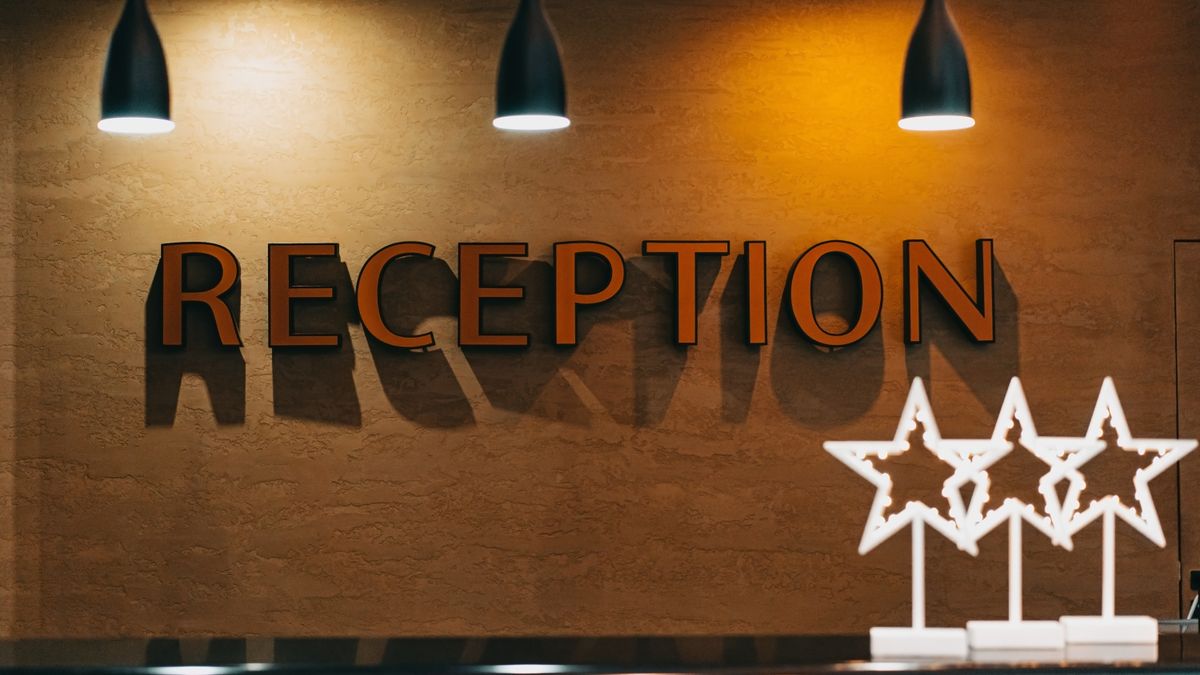
Calm, clean footage of the reception area and treatment rooms helps people picture a comfortable visit. Real footage of your own space is more credible than generic imagery.
- 02
Name credentials you can substantiate
If your medical director or providers hold licenses or certifications, say so plainly and only as far as you can document. Do not imply qualifications you cannot prove.
- 03
Describe the consultation
Say it is a conversation, who it is with and that there is no obligation to book a treatment, if that is true at your spa.
- 04
End with one simple action
A phone number, a short web address or a QR code that opens a booking page. One action beats three.
Because many screens are watched with the sound off, make sure the message reads through on-screen text. See how to make video ads work without sound for practical guidance.
What to leave out
- Before-and-after imagery and outcome claims, unless your regulators allow them and you have confirmed that.
- Client quotes or endorsements that have not been checked against your own endorsement rules.
- Language that plays on insecurity or pressures a decision.
- Anything that suggests who may perform a procedure unless it is accurate and permitted.
What should you offer?
Offers in this category should lower the barrier to a first conversation rather than discount a procedure. CETV Now supports local offers as an ad format, alongside full-screen video, static creative and multi-spot branded campaigns. Creative can be a 30-second video, static designs, or animated motion graphics shown as overlays on live TV. See ad formats for how they differ.
- A complimentary or reduced-cost consultation, if your rules and business model allow it.
- A skin or wellness assessment as a first visit.
- A seasonal consultation window, such as a set of days before wedding season.
- A small, clearly worded gift for bringing a friend to a first consultation.
Check how your medical board or advertising regulator treats discounts and promotions on medical procedures before you build an offer. For more on offer design, read how to design a local offer ad for an in-venue screen.
When should a med spa advertise?
Interest in aesthetics tends to rise around certain periods: the new year, when resolutions bring self-care to mind; the months before weddings; holidays and events; and the lead-up to summer. These are general observations, and your own booking history is a better guide than any generalization.
Because people often book a consultation weeks before a treatment, start your messaging ahead of the season rather than during it. The January advertising calendar and the annual in-venue advertising calendar can help you map the year. You can also layer time of day into targeting if your preferred consultation slots fall on certain days or hours.
Compliance: check your own rules first
If you are advertising near healthcare settings, note that on a healthcare media network, programming is general-audience and non-clinical, and patient records and health data never touch the network. Your ad should follow the same spirit: general information, no personal health details.
Where is it available, and how do you start?
CETV Now is live in five markets: Phoenix, Dallas, Atlanta, Nashville and Salt Lake City. Miami is coming soon and is not live yet. For anywhere else, availability is unconfirmed, so send an inquiry. You can read more on the Phoenix, Dallas, Atlanta, Nashville and Salt Lake City pages.
Ad insertion has no minimums and no long-term commitment, so you set your spend and schedule and scale at your own pace. Pricing is quote-based and depends on market, venue category and schedule. To start, share your markets, venue categories, creative and budget; CETV Now maps the plan to real-world audiences, provides a quote and gets the campaign live. Details are on the how it works and advertisers pages.
How do you tell whether it worked?
CETV Now tracks delivery against its network data, with venue-level impression reporting, real-time statistics and 24/7 campaign monitoring. Results vary by campaign. CETV Now reported a 4.2x average campaign ROI and 98% viewer recall across its network, but these are reported figures, not promises, and no outcome is guaranteed.
Delivery reports show where ads ran, not who booked. Ask new consultation clients how they heard about you, track calls and booking-page visits during the flight, and read what attribution means before you judge results. Pairing screens with search and social often helps; see how to combine out-of-home with digital advertising.
Figures reflect CETV Now network data and are provided for informational purposes. Individual campaign results vary; no specific outcome is guaranteed.