
 On screen
Definition
Media mix
The combination of advertising channels a business uses to reach customers, such as search, social media, print, radio, email and out-of-home. Also called a channel mix in marketing.
If you are asking what a media mix is because you are about to add a new channel next to search, social and print, the short version is this: your mix is the whole set of places customers can run into your business, and each place should have a reason to be there. The mix is a planning idea, not a product you buy.
What roles do different channels play in a media mix?
Marketers often sort channels by where they sit in a customer's decision: awareness (people learn you exist), consideration (people compare you with other options) and conversion (people act, such as booking, calling or buying). The labels are a planning shortcut. Real customers do not move through them in a straight line.
- Search often catches people who already know what they want, so it tends to sit close to conversion.
- Social can serve several roles depending on the creative: introducing a business, reminding people, or retargeting visitors.
- Print and direct mail can give a local business a physical presence in a neighborhood and often work as a reminder.
- Out-of-home and in-venue video put a message in front of people away from their phones, which often suits awareness and consideration.
These are general tendencies, and they vary by business, offer and creative. Treat them as starting hypotheses to test, not rules.
Where does in-venue video fit in a media mix?
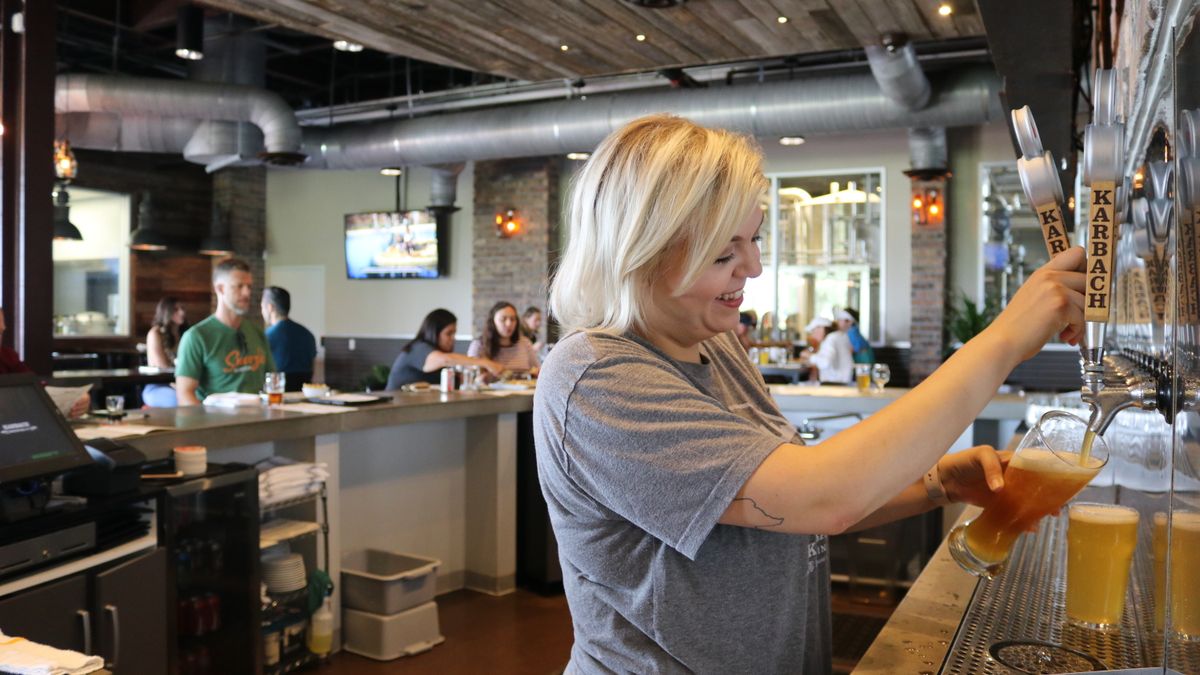
CETV Now is a digital out-of-home (DOOH) network: a small device plugs into a screen a venue already owns and runs licensed programming with video ads over live TV. Its positioning is reaching people while they wait, watch and decide, in venues customers already visit, such as restaurants and bars, fitness facilities, medical and dental offices, auto dealerships, retail and salons.
That makes it a natural fit for a business that wants to be seen near the moment of a local decision, and it can sit alongside search, which catches intent, and social, which handles targeted reminders. Targeting can go down to neighborhood, zip code or individual venue, and can be layered with audience type and time of day. For background, see what venue-based media is and how DOOH advertising works.
How do you decide what a new channel is for?
- 01
Name the gap
Look at your current mix. Are people not hearing about you, not choosing you over a competitor, or not following through? A new channel should address one of these.
- 02
Assign one primary job
Write one sentence, such as: this channel will keep our dental practice in front of people in our trade area. Secondary benefits are fine, but one job keeps the plan honest. A trade area is the geographic zone your customers come from.
- 03
Choose a measure that fits the job
Pick the signal before launch, not after. The next section covers this.
- 04
Start small
CETV Now ad insertion has no minimums and no long-term commitment, so you set your own spend and schedule. A small trial is possible; see how to run a small DOOH test campaign.
How do you avoid judging every channel on the same measure?
The most common mistake in a mixed plan is holding every channel to last-click results. A search ad is easy to credit with a booking. A channel that helped someone remember you a week earlier rarely gets that credit, so it can look weak when it is doing a different job.
| Channel job | Questions to ask | Example signals |
|---|---|---|
| Awareness | Did the right people see it, and how often? | Reach, frequency, impressions |
| Consideration | Are more people comparing us? | Branded search volume, questions at the front desk, offer-code use |
| Conversion | Did people act? | Bookings, calls, purchases, redemptions |
CETV Now tracks delivery against its network data, with venue-level impression reporting and real-time statistics. Delivery tells you your ad ran; it does not by itself tell you what people did next. For ideas on bridging that gap, read how to measure out-of-home advertising without clicks.
How should you adjust your media mix over time?
Treat the mix as something you review on a schedule, such as quarterly or around seasonal peaks, rather than set once. Change one variable at a time, a venue category, a daypart or a creative, so you can tell what moved. The DOOH planning checklist lists questions to settle first, and choosing venue categories helps narrow where to start.
Regulated advertisers, such as healthcare, financial services, alcohol and legal, should check their own compliance rules before finalizing creative. CETV Now reviews creative before it runs. When you are ready to map a channel into your mix, share your markets, venue categories, creative and budget and the team will build a plan and quote. Pricing is quote-based. Availability outside Phoenix, Dallas, Atlanta, Nashville and Salt Lake City is unconfirmed, and Miami is coming soon, so ask before assuming a market.
Figures reflect CETV Now network data and are provided for informational purposes. Individual campaign results vary; no specific outcome is guaranteed.