
 On screen
Definition
Venue-based media
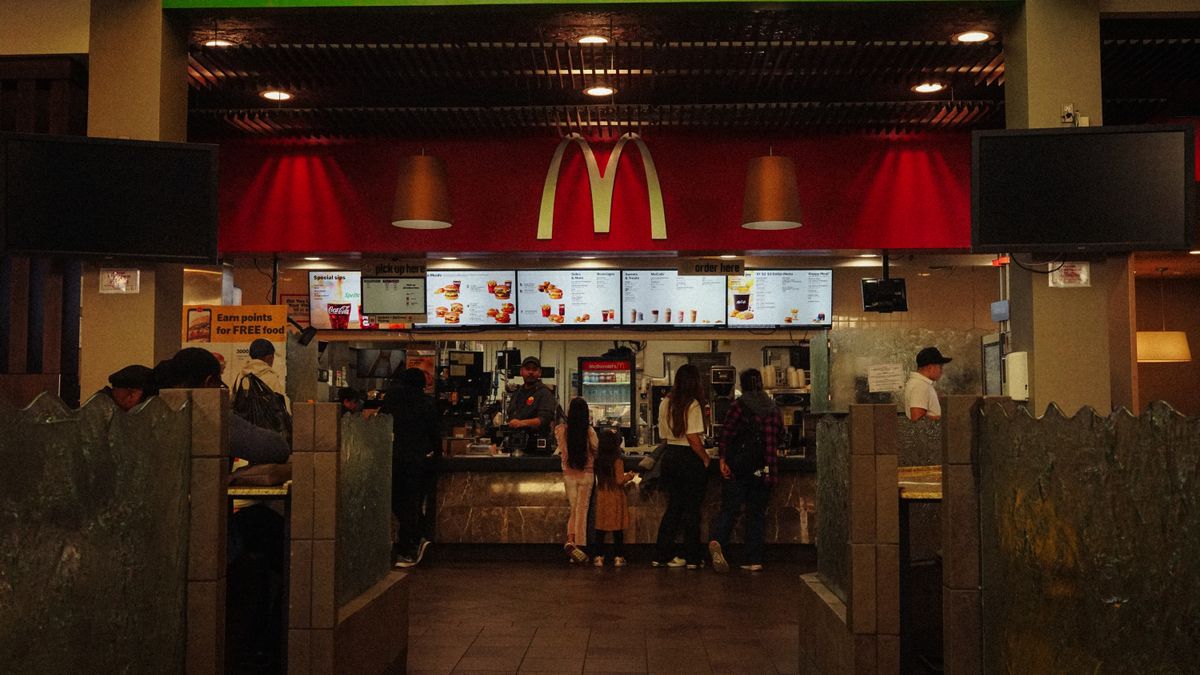
Advertising delivered on screens inside the places people already go, such as waiting rooms, dining rooms, gyms and showrooms. It is also called place-based media or in-venue media. The audience is defined by the venue and the moment rather than by an individual's online profile.
What is venue-based media, in practice?
Picture a TV in a service lounge, a restaurant bar or a gym front desk. The venue already owns the screen and shows live content. Venue-based media places ads in that same stream, so the message reaches people while they are in the room.
It is a branch of digital out-of-home (DOOH) advertising, meaning out-of-home advertising shown on digital screens instead of printed posters. For the wider picture, see what DOOH advertising is and how DOOH advertising works.
CETV Now describes its positioning as precision video advertising for the real world: reaching people while they wait, watch and decide, in venues customers already visit.
How does venue-based media differ from roadside out-of-home?
Roadside out-of-home, such as a billboard, reaches people who are passing by, often in motion. Venue-based media reaches people who have stopped somewhere, for a reason that has nothing to do with the ad. Both are out-of-home, but the setting and the viewing situation are different.
| Venue-based media | Roadside out-of-home | Online media | |
|---|---|---|---|
| Where it appears | On screens inside a venue | On structures along roads and in public spaces | On phones, computers and connected devices |
| What defines the audience | The venue and the moment | The location and the traffic past it | Data signals tied to a user or device |
| Typical viewing situation | Waiting, watching, deciding | Passing by or commuting | Browsing, scrolling, searching |
| Planning unit | Venue category, area, daypart | Site or panel | Audience segment, keyword, placement |
Why is context the targeting?
Online platforms target people based on what they have searched or browsed. Venue-based media starts from a different question: what is the person doing right now, and where? Someone in a dental office waiting room and someone at a restaurant bar are in different moments, and an ad can fit one and not the other.
CETV Now reports average dwell time of 15+ minutes across its network. That is CETV Now network data, not third-party audited. Dwell time is how long people spend in a venue, not a measure of attention, so treat it as a sign of opportunity rather than proof an ad was watched. The dwell time glossary entry goes deeper.
Context also works as a brand-safety tool. Creative is submitted for review before it runs, and placements run in curated venue categories to keep brands in appropriate contexts.
What are examples of venue categories?
CETV Now runs in high-dwell commercial venue categories:
- Auto dealerships
- Restaurants and bars
- Medical and dental offices
- Fitness and wellness facilities
- Retail
- Professional services such as offices and salons
Which category fits depends on who you want to reach and what they are doing there. A fitness brand might look at gyms and wellness facilities, while a local home-services company might look at professional offices. The guide on choosing venue categories for in-venue ads walks through that decision.
How do advertisers use venue-based media?
On CETV Now, targeting can be set by neighborhood, city, metro, zip code, sector or vertical, and individual venue. It can be layered with audience type and time of day. CETV Now is live in Phoenix, Dallas, Atlanta, Nashville and Salt Lake City, with Miami coming soon. For any other location, availability is unconfirmed, so send an inquiry.
Formats include full-screen video, static creative, multi-spot branded campaigns and local offers. Full-screen video runs as an unskippable takeover of the venue's live TV. See ad formats for details.
- 01
Set a goal
Decide whether you want awareness, a local offer redeemed or a new service noticed. Start with how to set goals for a DOOH campaign.
- 02
Pick markets and venue categories
Choose where your customers spend time and which venue types match their moment.
- 03
Prepare creative
Design for a screen people glance at from a distance. See designing video ads for venue screens.
- 04
Request a quote
Share markets, venue categories, creative and budget. Pricing is quote-based and there is no published rate card.
Ready to compare options? Use the DOOH campaign planning checklist, or see CETV Now for advertisers. Ad insertion has no minimums and no long-term commitment.
Figures reflect CETV Now network data and are provided for informational purposes. Individual campaign results vary; no specific outcome is guaranteed.