
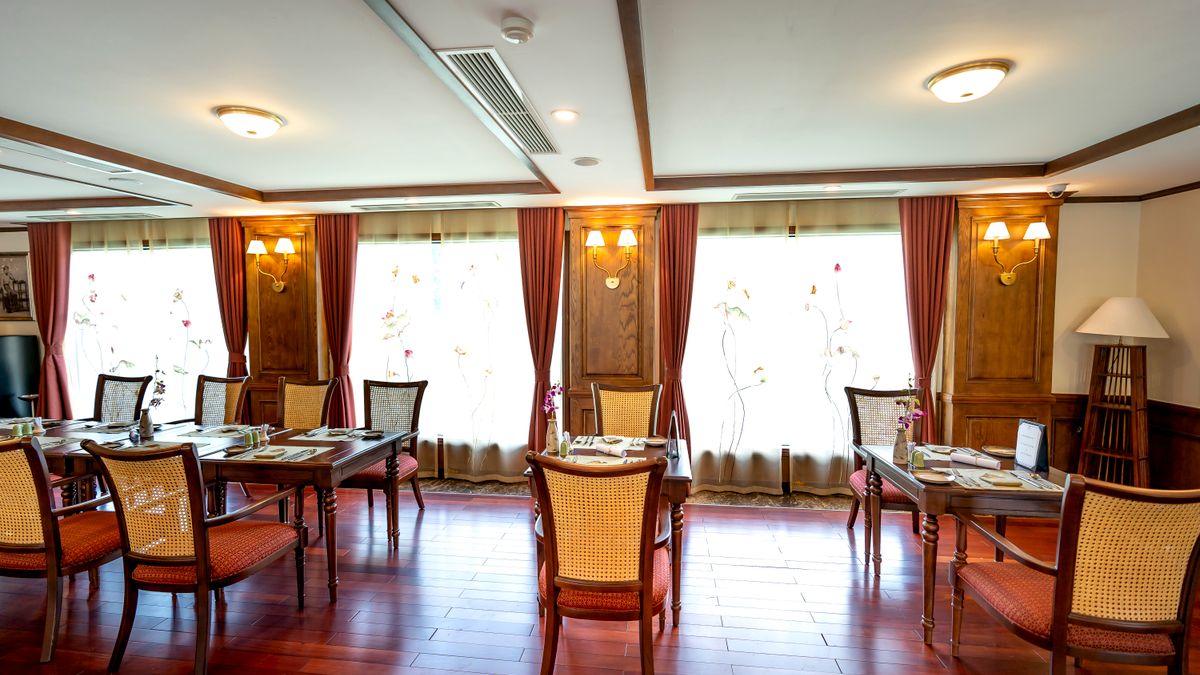
 On screen
Availability
Confirmed: live in Nashville, TN
CETV Now is live in Nashville. Placements are planned by neighborhood, city or venue category, and the right mix depends on your goals, so request a quote for your plan.
Confirmed CETV Now markets: Phoenix, Dallas, Atlanta, Nashville and Salt Lake City. Coming soon: Miami. See the network
Theater, dance and music companies rarely sell one thing. You sell a season: subscriptions, flex packages and single tickets spread across a run of productions. That changes how you should plan theater advertising in Nashville. The job is less about a countdown to one opening night and more about making your company familiar to people who already enjoy live culture, then giving them a reason to act at each point in the season.
This guide covers how to plan that for the Nashville area using in-venue video. For the broader industry approach, start with the performing arts and theater advertising overview. This page spends its time on the local plan.
How does in-venue video fit a performing arts season?
CETV Now is a self-install, plug-in digital out-of-home (DOOH) advertising network. A small media-player device plugs into a screen a venue already owns and runs licensed programming with video ads over live TV. Your ad appears where people are already waiting, watching and deciding, which suits a purchase that people often think about for days before they buy.
A season is a repeat-exposure problem. A prospective subscriber may see your name on a poster, hear about a show from a friend, then see your video while eating dinner. No single moment does the work. In-venue video is one channel in that media mix, and it is a good fit for the familiarity layer rather than the final click.
Who are you trying to reach?
Performing arts audiences are not one group. Separate them before you write anything, because each one needs a different message and a different action.
- Current subscribers. They renew, upgrade or add a guest. Your own mailing list and box office reach them better than ads do, so use screens mainly to reinforce the brand.
- Lapsed and occasional buyers. They have attended a show or two. A reminder that a flex package exists is often more useful to them than a single-show push.
- New-to-you locals. People who enjoy live music, dance or theater but have not yet attended your company. They need to learn who you are and what a night with you looks like.
- School and group buyers. Teachers, youth organizations and group organizers plan far ahead and decide differently. Give them their own message and contact route rather than folding them into a ticket ad.
Which venue categories fit theater advertising in Nashville?
CETV Now runs in high-dwell commercial venue categories. Dwell time is how long people spend in a venue; CETV Now reports average dwell time of 15+ minutes across its network (CETV Now network data, not third-party audited). Dwell time is not a measure of attention, so write creative that works in a glance.
In everyday life, people who enjoy live performance are in restaurants, coffee shops, gyms, salons and service lounges near the places they go out. That is a general observation about daily routines, not a statement about CETV Now coverage. When you decide where ads can run, use the approved categories:
| Venue category | Planning angle |
|---|---|
| Restaurants and bars | Pre-theater and post-show dining. Pair a show date with the idea of making an evening of it. See the restaurant planning guide for how that room works. |
| Fitness and wellness facilities | Regular visitors who return several times a week, which suits a standing subscription message. |
| Professional services, including salons | Appointments create waiting time. A short, clear production message fits. |
| Retail | Shoppers near a performance district or a holiday shopping trip. Holiday productions fit naturally. |
| Auto dealerships | Service lounges involve waiting. Use it for broad season familiarity rather than a tight date. |
| Medical and dental offices | Waiting rooms are another option. Keep the tone general and check what suits your brand. |
Targeting can run by neighborhood, city, metro, zip code, sector or vertical, and individual venue, and can be layered with audience type and daypart. Placements run in curated venue categories, and creative is submitted for review before it runs. CETV Now has not published how many venues are available for a given area, so ask for a plan rather than assuming.
How should you weigh Davidson County against the wider metro?
Nashville has had a consolidated city-county government with Davidson County since 1963, and it is a major center of the music industry, commonly called Music City. For a planner, two things follow. Residents and visitors both move through the core county, and live music and events are already part of daily life there.
A practical approach is to start tight and widen with evidence:
- 1Begin with venues near your performance space and the neighborhoods where your current audience lives (your ticketing zip codes are a good guide).
- 2Add a second ring of surrounding-area zip codes where subscribers already travel from.
- 3Decide whether visitors matter to your season. A holiday production may appeal to out-of-town guests; a subscription will mainly appeal to residents.
- 4Compare delivery reports between rings before expanding.
Because Nashville audiences hear a great deal of music-related promotion, a theater, dance or classical company needs a clear point of difference in one line: what kind of night is this, and when.
What should the ad say and offer?
Keep the structure simple and repeatable.
- One production per spot. Show a stage or rehearsal moment and state the date clearly. Trying to promote an entire season in 30 seconds usually blurs everything.
- A standing subscription message. Run it alongside the show message so the season story stays present between productions.
- Overlay for dates and last-chance notices. Creative can be a 30-second video, static designs or animated motion graphics shown as overlays on live TV. Overlays suit a closing weekend or a package deadline.
- One action. A short web address or a QR code. Read when QR codes help and when they do not before you decide.
Many screens are watched with the sound off, so make the stage moment, the title and the date readable on their own. For offers, a clear flex-package or first-time-buyer offer is easier to act on than a vague invitation. Offers should follow your own box office terms; see the compliance section below.
When should you run what?
Ads can be scheduled at your own pace, with no minimums for ad insertion and no long-term commitment, so you can match flights to the season calendar instead of running continuously.
| Moment | Focus |
|---|---|
| Spring and summer | Season announcement. Introduce the lineup and the subscription or flex package. |
| Fall | Holiday productions. Dates, family or group angles, and gift-minded messages. |
| Spring run | Final productions of the season, last-chance notices, and early interest in next season. |
For a wider view of how to sequence these moments, see the annual in-venue advertising calendar. Individual events, such as a one-night concert, can borrow from the event promotion ideas guide.
How do school and group sales differ?
A school or group buyer is planning months ahead, often for many people, and usually needs a person to talk to. An in-venue ad is better used to make the company known and point to a dedicated page or contact than to sell the booking directly. Keep this message separate from your public ticket ad so the single-ticket buyer is not asked to read about group rates.
What should you check before creative runs?
Clear rights for any production images, music and artist names used in your creative. Check your own ticket-pricing and fee-disclosure rules before you promote prices or offers. This is general information, not legal advice.
Delivery is tracked and reported against CETV Now network data, with venue-level impression reporting and real-time statistics. CETV Now reports a 4.2x average campaign ROI and 98% viewer recall across its network; these are reported figures, individual campaign results vary, and no outcome is guaranteed. Reports show delivery, not ticket sales, so track your own signals such as promo-code redemptions, QR scans and direct visits to your site.
How do you get a plan and a quote?
Pricing is quote-based and depends on market, venue category and schedule, with no published rate card. To start, share your market, venue categories, creative and budget. CETV Now maps the plan to real-world audiences, provides a quote and gets the campaign live. For a statewide view, see Tennessee digital out-of-home advertising, or read how local DOOH targeting works. You can also call (833) 807-1500 or email info@cetvnow.com.
Figures reflect CETV Now network data and are provided for informational purposes. Individual campaign results vary; no specific outcome is guaranteed.