
 On screen
Availability
Confirmed: live in Nashville, TN
CETV Now is live in Nashville. Placements are planned by neighborhood, city or venue category, and the right mix depends on your goals, so request a quote for your plan.
Confirmed CETV Now markets: Phoenix, Dallas, Atlanta, Nashville and Salt Lake City. Coming soon: Miami. See the network
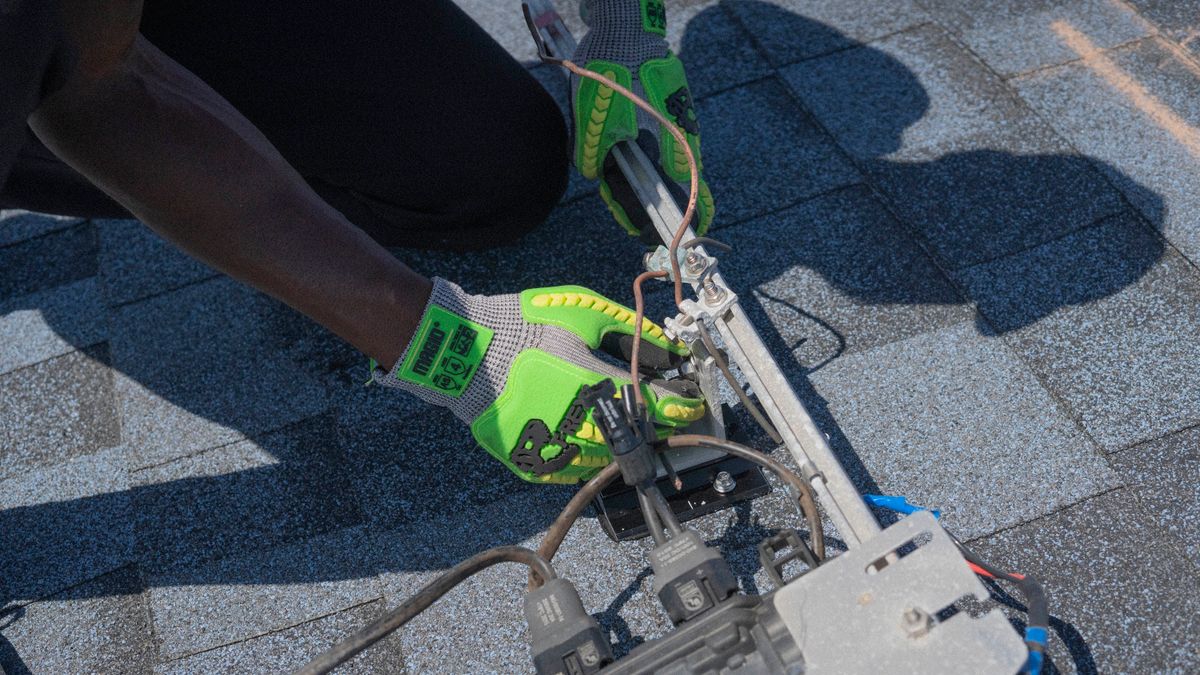
Electrical work does not come as one purchase. A homeowner with a dead outlet and a landlord planning a panel replacement are both your customers, but they decide in very different ways. This page covers how to plan electrician advertising in Nashville with in-venue video, where the message and the offer need to be handled separately.
It focuses on local planning. For the broader trade playbook, read plumbing company advertising with in-venue video, which covers plumbing, electrical and handyman services together.
Is CETV Now available for electrician advertising in Nashville?
Yes. Nashville is one of five markets where CETV Now is live, along with Phoenix, Dallas, Atlanta and Salt Lake City. CETV Now is a self-install digital out-of-home (DOOH) network: a small media-player device plugs into a screen a venue already owns and runs licensed programming with video ads over live TV.
CETV Now has not published venue counts or audience figures for Nashville, so this page does not state any. When you request a plan, ask the team which venue categories and areas are available for your service territory. For the city overview, see Nashville digital out-of-home advertising.
Who should an electrical contractor try to reach?
Start with the decision, not the demographic. Three groups tend to buy electrical work, and each needs something different from you.
- Homeowners. They call about repairs, and they plan upgrades around remodels, moves and new-appliance purchases.
- Landlords and property managers. They think about safety, tenant turnover and code-driven updates, and they often want a contractor they can call again.
- Small-business owners. They need lighting changes, added circuits or equipment hookups, usually on a schedule that avoids closing the shop.
These are general observations about who buys, not claims about CETV Now audiences. Pick the one or two groups that match the work you most want to book, then choose venues around them.
Which venue categories fit electrician advertising?
CETV Now runs in high-dwell commercial venue categories: auto dealerships, restaurants and bars, medical and dental offices, fitness and wellness facilities, retail, and professional services such as offices and salons. Dwell time is how long people spend in a venue. CETV Now reports average dwell time of 15+ minutes across its network, based on its own data and not third-party audited. Dwell time is not a measure of attention.
Some categories fit your goals more directly than others:
- Restaurants and bars: a broad local audience of homeowners and small-business owners. Good for a trust message and a single seasonal reminder.
- Fitness and wellness facilities: regular visitors who live nearby. Good for repeat exposure to a local, familiar name.
- Professional services and offices: small-business owners and property owners. Good for lighting, commercial circuits and landlord-facing work.
- Retail: people shopping for the products that lead to electrical work. Match the offer to the store, such as chargers or lighting.
Placements run in curated venue categories, and creative is submitted for review before it runs. For a method to narrow the list, see how to choose venue categories for in-venue advertising.
How do you weigh Davidson County against the surrounding area?
Nashville has had a consolidated city-county government with Davidson County since 1963. It is also a major center of the music industry, commonly called Music City. For planning, that means your service area probably does not follow one neat boundary, and daily life includes a steady flow of events and visitors.
Targeting on CETV Now is micro and macro: by neighborhood, city, metro, zip code, sector or vertical, and individual venue. It can be layered with audience type and daypart (time of day). A practical way to use that:
- Start with the zip codes where your crews already work and can arrive quickly.
- Add neighboring areas only if you can serve them without stretching response times.
- Treat venues that draw visitors differently from neighborhood venues. A visitor will not hire you, so weight neighborhood venues more heavily for home services.
- Use daypart to match the message: trust and repair messages when people are out at lunch or dinner, upgrade offers when people have time to think.
The approach is covered in more depth in local DOOH advertising and the glossary entry on hyperlocal advertising.
How do you separate the trust message from upgrade offers?
An urgent repair and a planned upgrade have different clocks. Someone with a tripping breaker wants a name they trust and a phone number. Someone considering an EV charger wants to understand the job and may take weeks. Running one blended ad for both usually serves neither.
| Trust and safety message | Upgrade offer | |
|---|---|---|
| Customer need | Urgent or unexpected repair | Planned project |
| Decision time | Short; one call | Longer; compare and plan |
| Core message | Licensed, local, careful | One upgrade, one clear next step |
| Examples | Outlets, breakers, safety checks | Panel replacement, EV charger, lighting |
| Response to ask for | Call | Request an estimate or consultation |
Run them as separate creative with separate schedules. That also makes it easier to see which one is drawing calls, because you can ask callers which they saw.
What should the creative say and show?
- 01
Lead with licensed and local, only where documented
Say you are licensed or locally based only if you can back it up. Include your license number if your state or local rules require it in advertising.
- 02
One upgrade per spot
Make one spot about a panel, another about a charger, another about lighting. A list of six services on a screen someone glances at is hard to read.
- 03
Show the crew and the work
Real footage of your team, a clean panel or a finished install builds more trust than stock imagery. Keep it readable with the sound off.
- 04
Use overlay for seasonal safety reminders
CETV Now supports animated motion graphics as overlays on live TV. They suit short reminders, such as a storm-season prompt, without a full-screen takeover.
- 05
Be careful with savings claims
Avoid saying customers will save money unless you can qualify the claim, such as which product, which conditions and for how long.
Formats include full-screen video, which runs as an unskippable takeover of the venue's live TV, plus static creative, multi-spot branded campaigns and local offers. Creative can be a 30-second video, static designs or animated overlays. See ad formats for the options.
How do you plan timing and a first test?
Match timing to what drives electrical work. Storm season can raise safety questions. Remodel and moving seasons raise panel and lighting questions. A new EV purchase raises charger questions. Plan backward from the period you want to be visible; how to plan a seasonal advertising campaign backward from the peak walks through that.
Ad insertion has no minimums and no long-term commitment, so you set your spend and schedule and scale at your own pace. A small test can show which message and which venue category deserves more. How to run a small business DOOH test campaign outlines one. Delivery is tracked with venue-level impression reporting, real-time statistics and 24/7 campaign monitoring, and results vary by campaign. For tying calls back to the ad, see the glossary entry on attribution.
CETV Now reported a 4.2x average campaign ROI and 98% viewer recall across its network. These are its own figures, results vary, and no outcome is guaranteed, so do not use them as a forecast for your business.
What do you need to start?
Share your markets, venue categories, creative and budget. CETV Now maps the plan to real-world audiences, provides a quote and gets the campaign live. Pricing is quote-based and depends on market, venue category and schedule; there is no published rate card.
If you also offer other trades, the home services advertising guide for Nashville covers planning across them. For the state view, see Tennessee digital out-of-home advertising. Regulated advertisers in other fields should check their own compliance rules.
Figures reflect CETV Now network data and are provided for informational purposes. Individual campaign results vary; no specific outcome is guaranteed.