
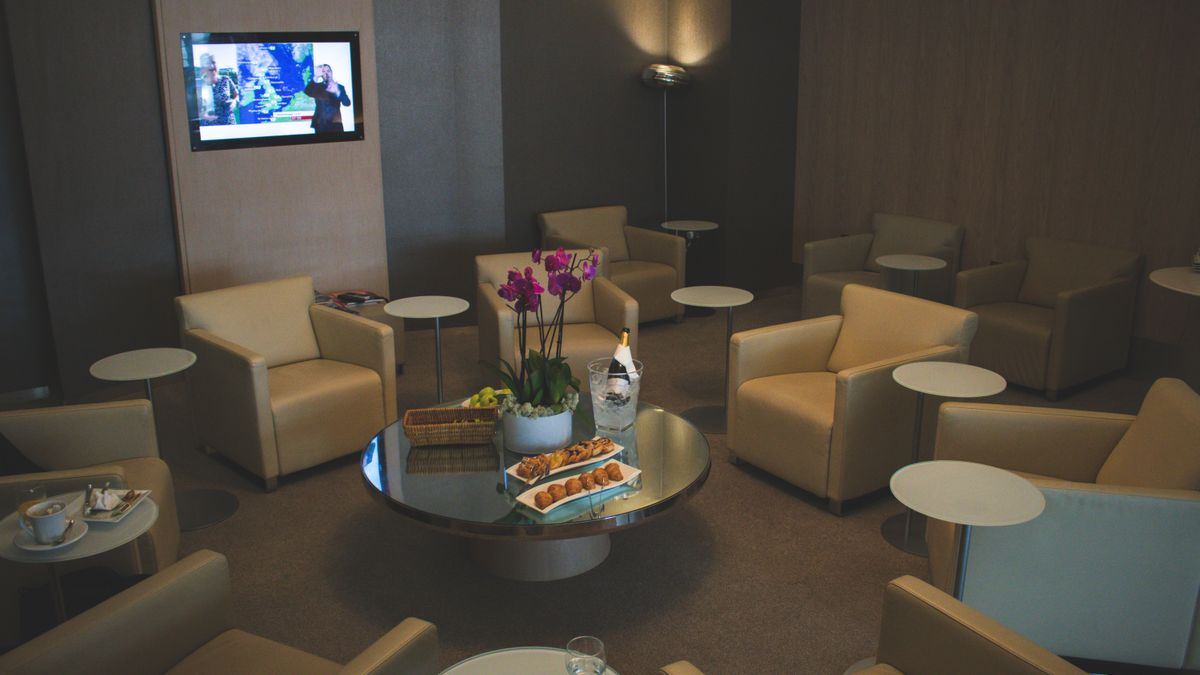
 On screen
Most dealership advertising plans start with a question about place: which screens, which neighborhoods. For vehicle sales and financing, the harder question is timing. A household that buys in November may have started thinking about it in August, and a lease customer may start looking months before the paperwork says they have to. A calendar gives you a way to decide when to be in front of people, then choose where.
This playbook is written from the advertiser's side of the screen. It covers franchise, independent and used-vehicle sellers, and the financing messages that travel with them. It uses digital out-of-home (DOOH) advertising, which means video and static ads shown on screens in real-world venues.
Why timing matters more than place for car shoppers
A vehicle purchase is rarely a single decision. Shoppers narrow a body style, then a budget, then a short list of sellers, and the process often stretches across weeks or months. An ad that appears only in the final weekend of a sale reaches people who have mostly finished deciding.
In-venue video fits the earlier stages because people encounter it while they are already waiting. In daily life, shoppers spend long stretches in service lounges, finance offices and showrooms. The same households also sit in repair waiting areas and tire shops weeks before they buy, and they pass through gyms, restaurants and offices with a purchase on their mind. Those are general observations about daily life, not a statement of where CETV Now runs.
What CETV Now has confirmed is the venue categories it runs in: auto dealerships, restaurants and bars, medical and dental offices, fitness and wellness facilities, retail, and professional services such as offices and salons. CETV Now also reports average dwell time of 15+ minutes across its network. Dwell time is how long people spend in a venue, not a measure of attention, so treat it as an opportunity to be seen. See dwell time for the distinction.
A car dealership advertising calendar by season
Exact dates vary by brand, region and how a manufacturer schedules its program, so use the table as a starting frame and replace it with your own sales and inventory data.
| Period | What is happening for shoppers | What to say | Suggested format |
|---|---|---|---|
| Tax-refund season (early in the year) | Some households have a lump sum and start researching | Trade-in appraisals, certified used inventory, a standing brand message | 30-second video plus a static offer |
| Spring and early summer | Holiday weekend sales events stack up | The dated event and its dates | Static or overlay creative for the event |
| Late summer into fall (new model-year arrivals) | New model-year vehicles arrive and outgoing ones are cleared; timing varies by manufacturer | One new arrival per video, or a clearance message on outgoing inventory | 30-second video, one vehicle each |
| Year-end and holiday sales events | Shoppers expect promotions and compare nearby sellers | Event dates, store name, neighborhood | Static or overlay creative, with a brand video behind it |
| Ongoing: lease maturities | Lease customers approach their end dates on a schedule only you can see | A reason to start thinking about the next vehicle, with a prompt to talk to your team | Standing brand video in service lounges and nearby venues |
Build flights backward from each event. If a holiday sale starts on a Friday, the useful window for awareness is the weeks before it, not only the days it runs. For a broader view of how holiday periods stack up for local advertisers, see the holiday advertising calendar.
Model-year changeover advertising
Model-year changeover creates two separate messages that should not share a screen. One is clearance on outgoing inventory, the other is arrival of the new model year. Mixing them in one 30-second video leaves viewers unsure what you are offering.
- Outgoing model year: a clearance message, ideally static or overlay creative with a dated window, since it ends when inventory does.
- New model year: one vehicle per video. Show the vehicle, your store name and your neighborhood, and stop there.
- Used and certified inventory: trade-ins tend to pick up around changeover, so refresh the used message monthly rather than leaving it to age.
Check your manufacturer's advertising program before building arrival creative. Many programs set their own rules for how vehicles, offers and logos can appear.
Plan by seller type
Franchise dealers
Franchise brands can let each location target its own nearby venues while following national brand standards. For a franchise, that means the brand sets the look and the dealership chooses the neighborhood and the event. CETV Now also offers a custom media network for auto dealerships for operators that want a branded channel across locations.
Independent and used-vehicle sellers
A used car dealer advertising plan depends on inventory that changes weekly, so the creative should too. Pair a standing brand message (who you are, where you are, what kind of buyer you serve) with a monthly inventory message. Targeting can run by neighborhood, zip code and individual venue, and can be layered with time of day, so a small seller can concentrate on the few zip codes that actually feed its lot.
Financing messages
Financing travels with the sale, but the screen is the wrong place for terms. Use it to prompt a conversation: that you work with a range of credit situations, or that your finance team can review a trade-in and options. Keep payment figures off the screen and let the finance office handle specifics.
Where each message fits
Your own dealership lounge is the most obvious place to start, since customers are already there. The dealership lounge screen ideas guide covers what to show in a showroom or lounge, and the service lane promotions page covers giving service customers a reason to think about their next vehicle. A service customer with a car nearing lease end or a rising repair bill is a natural audience for a trade-in message.
For reach beyond your own lounge, the confirmed categories help you think about who is there. Gyms, restaurants, professional offices and retail venues carry people from the neighborhoods around you. You can see how the categories are described on the automotive venues page and across the CETV Now network.
Creative rules for dealership video
- 1One vehicle or one event per 30-second video. A viewer glancing at a screen takes in one idea.
- 2Use static or overlay creative for dated sales events. Static designs and animated motion graphics can sit over live TV, which suits a message with an end date. See ad formats.
- 3Show the store name and neighborhood. Shoppers compare nearby sellers, and a recognizable location helps them choose.
- 4Keep payment details off the screen. It is easy to misread at a distance and is a regulated area.
- 5Design for sound off. Many venue screens are viewed without audio, so make the picture and text carry the message.
Full-screen video runs as an unskippable takeover of the venue's live TV. Creative is submitted for review before it runs, and CETV Now has not published review or launch timing here, so ask the team and leave a buffer before any dated event.
Budget, measurement and next steps
Ad insertion has no minimums and no long-term commitment, so you can set spend and schedule yourself and scale at your own pace. Pricing is quote-based and depends on market, venue category and schedule; there is no published rate card. The budgeting guide explains how to plan without one.
Delivery is tracked with venue-level impression reporting and real-time statistics, and results vary by campaign. CETV Now reported a 4.2x average campaign ROI and 98% viewer recall across its network; these are CETV Now figures, not third-party audited, and no outcome is guaranteed. To judge your own flights, compare delivery against your showroom traffic, service-to-sales conversations and branded search. The DOOH campaign planning checklist and the guide to combining out-of-home with search and social help with that.
Which markets are live
CETV Now is live in Phoenix, Dallas, Atlanta, Nashville and Salt Lake City, and Miami is coming soon. If you sell in one of those metros, start with the market page, such as Phoenix or Dallas. For anywhere else, availability is unconfirmed; send an inquiry and the team can tell you what is possible.
- 01
List your dates
Write down your model-year arrivals, sale events, and the months your lease and trade-in customers cluster.
- 02
Pick one message per flight
Assign one vehicle or one event to each flight, plus a standing brand message.
- 03
Choose venues and neighborhoods
Pick from the confirmed categories and the zip codes around your store.
- 04
Clear compliance
Check regulatory and manufacturer rules before submitting creative.
- 05
Request a quote
Share your markets, venue categories, creative and budget, and CETV Now will map the plan and provide a quote.
Figures reflect CETV Now network data and are provided for informational purposes. Individual campaign results vary; no specific outcome is guaranteed.