
 On screen
Definition
Perceived wait time
The length of a wait as the person experiences it, rather than as the clock measures it. Two customers can wait the same ten minutes and describe the experience very differently.
Why does perceived wait time matter to a venue?
Customers judge a visit partly by how the wait felt. A service lounge, dining room entrance or treatment-room lobby can run on schedule and still leave people irritated if the wait felt long and unexplained.
For an owner or operations manager, this changes what you can work on. You may not be able to speed up service today, but you can often change what the wait feels like. Both matter, and neither replaces the other.
What makes a wait feel longer or shorter?
Wait time psychology is a well-studied area, and a few ideas are widely accepted. Treat them as general tendencies, not rules. People differ, and context matters.
- Empty time feels longer than occupied time. When people have nothing to look at or do, they notice each passing minute. When their attention is engaged, time tends to feel shorter.
- Uncertainty stretches a wait. Not knowing how long it will be, or whether anyone knows you are there, often feels worse than a known delay.
- Unfair or unexplained waits feel longer. Watching someone who arrived later get served first tends to make a wait feel worse.
- Anxious waits feel longer. A medical visit or a repair estimate usually feels slower than a casual coffee stop.
How can a screen help people wait?
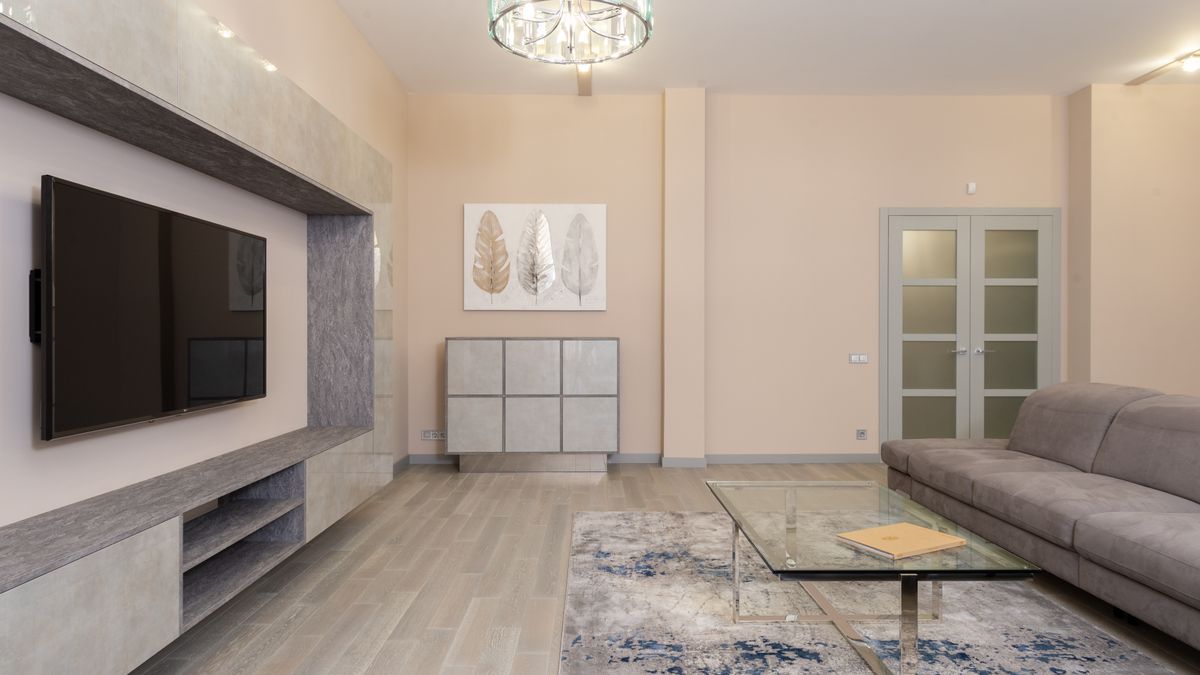
A screen is one way to occupy waiting time. Live sports, news, lifestyle or nature programming gives people something to watch without needing to do anything. CETV Now runs curated, licensed programming of this kind on a screen the venue already owns, so the venue does not buy new hardware. See how a screen can make waiting more comfortable for practical ideas.
CETV Now reports average dwell time of 15+ minutes across its network. Dwell time is how long people spend in a venue. It is not a measure of attention, and it does not tell you how long any one person felt they waited. It is a reminder that time spent in a room can be occupied well or poorly.
How do you reduce perceived wait in practice?
- 01
Find where people actually wait
Walk your own room as a customer would. Note where people sit or stand, and what they look at. Look for the spots where waiting feels emptiest.
- 02
Put the screen in sight lines
A TV nobody can see occupies no one. Read where to place a screen in your venue before you mount or move one.
- 03
Match programming to the room
A dining room, a clinic lobby and a tire shop need different content. Use choosing programming channels for your room to pick a fit.
- 04
Decide on sound
Sound can help or grate on a quiet room. The guide on whether a business TV should have sound on covers the trade-offs.
- 05
Add clear information
Because uncertainty lengthens waits, use your own promotions slot for useful messages such as what to expect or when to ask the front desk. Venues can run their own promotions between third-party ads from the web dashboard.
- 06
Review and adjust
Ask staff and regulars what they notice, then change channels or schedules. Time-of-day content lets you vary what plays across the day.
What does it cost a venue?
Host venues receive the plug-in CETV Now device and ad-supported programming free, with no monthly cost. Setup is self-install and typically takes minutes, and the venue brings a screen it already owns. You can read more on ad-supported digital signage or see the venue partner page. If you are unsure whether your room is a fit, ask the team before you plan around it.
Figures reflect CETV Now network data and are provided for informational purposes. Individual campaign results vary; no specific outcome is guaranteed.