
 On screen
If you are weighing a category network, programming is the part that decides whether venue owners keep the screen on. A gym floor, a hotel lobby, a medical waiting room and a bar all have a TV, but the people in front of each one want very different things. A single network-wide playlist rarely suits all four.
This guide is for licensing partners thinking about a white-label sub-network built around one business category. It compares four rooms, explains how to build a content plan, and is candid about what CETV Now has and has not confirmed.
What programming does CETV Now provide for a category network?
CETV Now is a self-install, plug-in digital out-of-home (DOOH) network. A small media-player device plugs into a screen a venue already owns and runs licensed programming with video ads over live TV. The programming is curated and licensed for commercial, public display, and it includes sports, news, lifestyle and nature content. The venue carries no ASCAP, BMI or SESAC liability.
Venues choose channels and upload their own promotions from a web dashboard, and they can schedule channel changes automatically. Those are the levers your programming strategy has to work with. Your job as a licensee is to decide which mix suits your category and to help venues set it up consistently.
How do fitness, hotel, healthcare and bar screens compare?
The table below is a planning framework built from general knowledge of how these rooms work. It is a starting point to test with real venue owners, not a statement of results or of what any specific venue runs.
| Room | What people are doing | Programming that tends to fit | Watch-outs |
|---|---|---|---|
| Fitness network | Moving between equipment, warming up, cooling down, waiting at the front desk | Sports for energy on the floor; lifestyle content for lounge and front desk; short news segments in quieter areas | Content that feels like a distraction during training; screens in studios or quiet zones may suit calmer content |
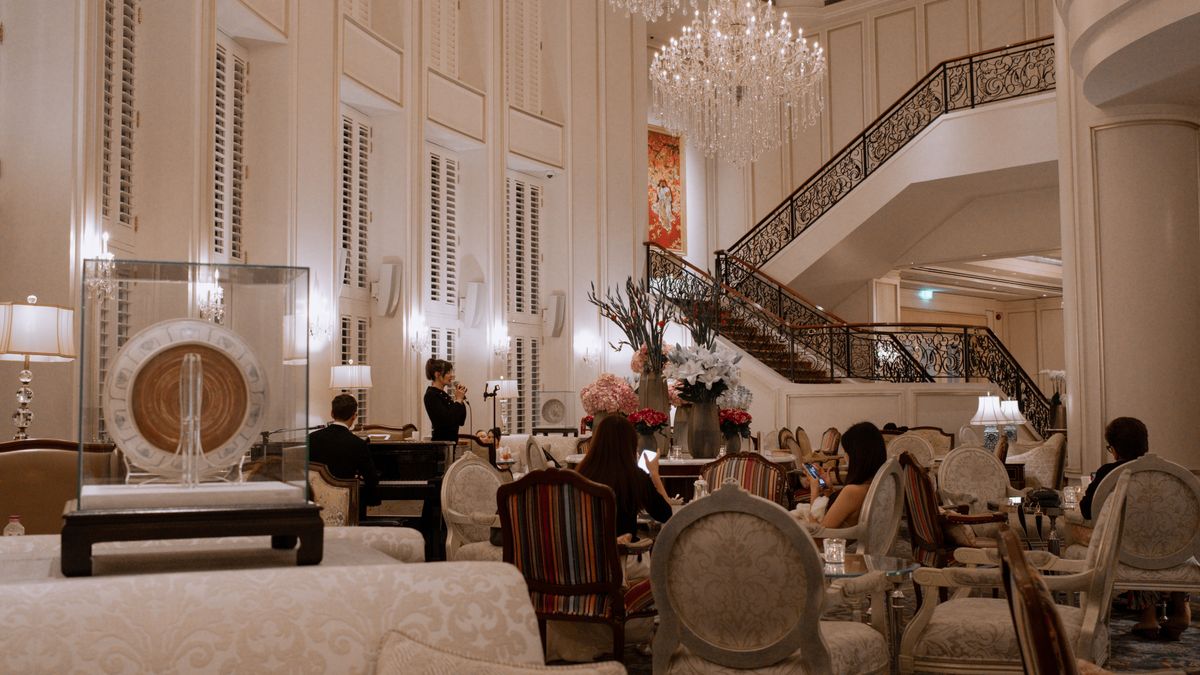
| Hotel network | Checking in, waiting for a ride or a companion, passing through to a restaurant or elevator | Lifestyle and nature content for a relaxed first impression; news in common areas | Overly loud or high-energy content in a lobby meant to feel calm; ads that do not fit the property's tone |
| Healthcare practice network | Waiting to be called, often anxious or tired | General-audience, non-clinical lifestyle, nature and light news content | Anything that reads as medical advice; any use of patient or health data (never part of the network) |
| Bar network | Socializing, watching live events, ordering | Sports as the anchor; news at off-peak hours; lifestyle content between events | Alcohol advertising and promotions have their own rules; check your own compliance requirements |
Fitness and gyms
A gym is several rooms in one. The cardio floor, the front desk and a stretching or lounge area each have a different pace. A fitness network plan usually separates screens by zone and lets venues change channels by time of day, since an early-morning crowd and a mid-afternoon lull differ. The gym screen content ideas guide covers the venue side of this in more detail.
Hotels
A hotel lobby screen is part of the room's atmosphere. Lifestyle and nature content tend to set a calmer tone than constant sports, while news can serve a common area where guests wait. Because venues can run their own promotions between third-party ads, a hotel can use that space for its restaurant, events or amenities. Hotel lobby network programming should be reviewed against the property's brand, which is where brand alignment matters; see how to brand a white label signage network.
Healthcare practices
This is the category with a fixed rule. On a healthcare media network, programming is general-audience and non-clinical, and patient records and health data never touch the network. That means no clinical messaging, no personalized content and no data feeds from a practice system. If you are considering a medical or dental category, read healthcare waiting room network considerations and have each practice confirm its own compliance rules.
Bars and breweries
Sports usually anchors a bar screen, with news and lifestyle filling the gaps. The programming question is less about what to show and more about when to switch. Automated scheduling of channel changes helps a venue move from a daytime mix to an event-driven evening without someone standing at the remote. Alcohol is a regulated category, so advertisers and venues should check their own rules.
How do you build a vertical network content plan?
- 01
Walk the room with the owner
Visit two or three venues in your category. Note where screens sit, who watches, and how long people stay. CETV Now reports an average dwell time of 15+ minutes across its network, but that is network-wide data, not audited by a third party, and not an attention measure. Treat your own observations as the better guide for a single category.
- 02
Set a default mix per room
Choose a baseline from the available content types for each zone. A gym floor, a hotel lobby and a waiting room should each have a different default.
- 03
Add dayparts
Plan channel changes around the day, such as a calmer morning and a livelier evening. The time-of-day content guide lays out a simple dayparting framework.
- 04
Reserve space for venue promotions
Venues can run their own promotions, menu items, events and branding between third-party ads. Give owners templates so those messages look consistent across your network.
- 05
Decide who can override
The dashboard includes a one-tap emergency broadcast that overrides every screen across all locations. Agree on when it should be used and who holds access.
- 06
Review and adjust
Check with venue owners after launch and refine. Programming is a living plan, and the first version will probably change.
How do ads affect your programming decisions?
Programming and advertising share the same screen. Full-screen video ads run as an unskippable takeover of the venue's live TV, and creative can also appear as overlays such as static designs or animated motion graphics. Creative is submitted for review before it runs, and placements run in curated venue categories to keep brands in appropriate contexts.
Your category definition is therefore part of your ad pitch. Advertisers can target by sector or vertical, individual venue, and daypart, so a clearly defined fitness or hotel network gives them something specific to buy. A mismatch between content and ads, such as a calm lobby with loud promotional spots, is the kind of friction to design out early. Read ad standards for a licensed DOOH network to decide what you would accept or decline.
CETV Now reports a 4.2x average campaign ROI and 98% viewer recall across its network. These are reported figures, results vary by campaign, and no outcome is guaranteed for a category network you build.
What should you ask before committing to a category?
- Which channels and content types are available for my category, and can they be changed per venue?
- How is audio handled in a room where sound may not be wanted?
- Who manages scheduling and brand alignment, me or the venue?
- What do licensing terms look like for my territory or category? The model is a revenue share plus an annual fee, with specifics discussed case by case.
- Do I have access to enough screens in this category? Use the screen access assessment to find out.
If you want to compare a category approach with a territory approach, see licensing by territory or industry. When you are ready to talk specifics, the licensing page explains how to start, and you can reach CETV Now at (833) 807-1500 or info@cetvnow.com.
Figures reflect CETV Now network data and are provided for informational purposes. Individual campaign results vary; no specific outcome is guaranteed.